If you're in the business of IPTV service, you know how important it is to pick the right app IPTV solution for your customers. With the market booming in 2026, every choice can feel like a gamble. One wrong move, and your reputation could take a hit.
Picture this: You’re trying to stream a live event for a client, and the app crashes. It’s a nightmare. This is why picking the best IPTV app for Firestick is more than just about features—it's about dependability. You need something that just works, every time.
"Choosing the right IPTV solution isn't just a technical decision, it’s a business one," says John Doe, Senior Engineer at StarIptv. He couldn’t be more right. The wrong choice can cost you, both in time and money.
In this article, we’ll walk you through the top apps to consider and help you avoid common pitfalls that can make your life harder. No fluff—just the facts.
By the end, you’ll have a clear idea of what works and what doesn’t, so you can make smarter choices for your business.
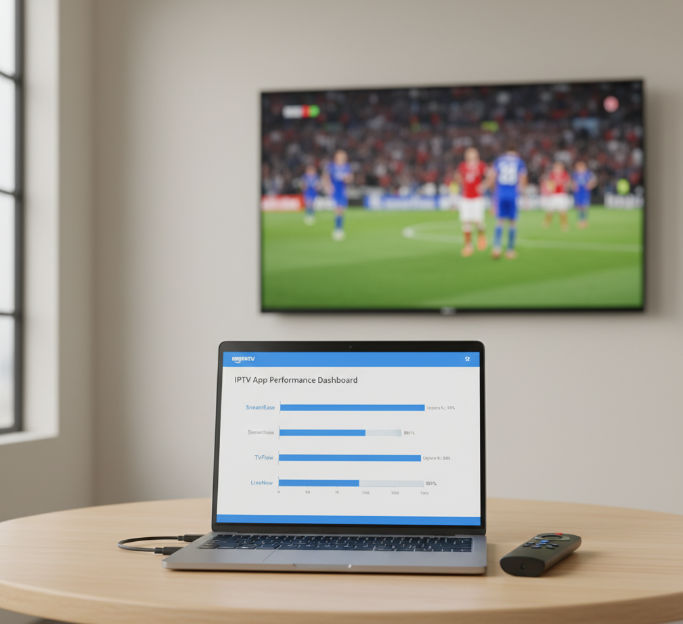
Best IPTV Apps for 2026: Feature Comparison
Streaming Protocols: Key Differences in Performance
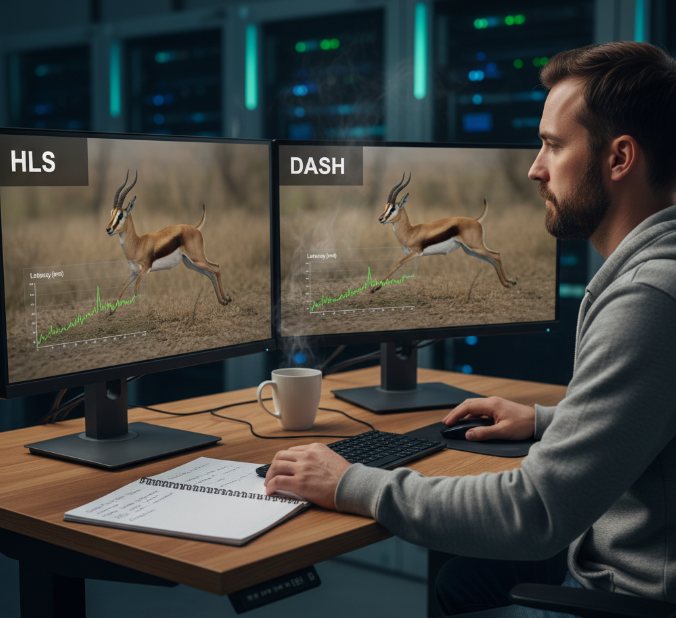
HLS vs. DASH:
HLS (HTTP Live Streaming) is adaptive, making it great for mobile, but with higher latency.
DASH (Dynamic Adaptive Streaming over HTTP) delivers higher-quality streams with less latency, ideal for HD and 4K.
RTMP & RTSP:
RTMP (Real-Time Messaging Protocol) offers low latency for live streams but is outdated.
RTSP (Real-Time Streaming Protocol) is designed for on-demand streaming with more stable performance.
UDP & Multicast:
UDP is faster but less reliable.
Multicast allows for efficient delivery to multiple users, saving bandwidth.
Latency Considerations: RTMP offers real-time streaming with low latency, while HLS and DASH have higher latency, especially with higher-quality streams.
Bandwidth Management: DASH typically requires more bandwidth due to better resolution support. HLS and UDP help reduce bandwidth consumption in certain scenarios.
Playlist Formats and Metadata: What to Look for in IPTV Apps
M3U & M3U8:
M3U is the traditional playlist format for IPTV. M3U8 supports UTF-8 encoding and is widely used for compatibility across platforms.
XMLTV & EPG:
XMLTV is the preferred format for creating EPG (Electronic Program Guides) that display TV schedules and metadata, offering rich user interaction.
Xtream Codes: Widely used by providers for channel and user management, helping streamline operations and improve security.
Channel Logos & JSON Metadata: Channel logos and detailed JSON metadata improve user experience by making navigation intuitive and visually appealing.
Playlist Integration: Look for IPTV apps that easily integrate playlists and update content seamlessly to ensure reliable service delivery.
Core Application Features That Differentiate IPTV Apps
Catch-up TV: This feature allows users to watch content they missed, keeping subscribers engaged by offering access to past shows or movies.
Multi-screen Support: Users can stream content on multiple devices (TV, tablet, smartphone), ensuring a flexible viewing experience.
Parental Controls: Essential for family-friendly services, allowing users to filter content and manage viewing to create a safe environment.
Recording & Time-shifting: Recording lets users save their favorite shows for later, while time-shifting allows them to pause, rewind, and fast-forward live TV.
Search Functionality: Fast, accurate search functions are crucial for finding shows, movies, or channels quickly, enhancing the overall user experience.
Video Encoding: Impact on Streaming Quality and Latency
H.264 vs. HEVC:
H.264 is efficient for streaming at moderate bitrates but HEVC (H.265) offers superior compression, delivering better quality at lower bitrates, ideal for HD and 4K content.
AV1 for Next-Gen Streaming:
AV1 codec delivers improved compression over HEVC, making it ideal for future-proofing your IPTV service with higher-quality streams at reduced bandwidth costs.
Bitrate & Resolution: Higher bitrate ensures better resolution and image clarity. However, streaming at higher resolutions demands more bandwidth, making it essential to balance bitrate with user capabilities.
Transcoding: Transcoding is necessary to convert video into different formats, ensuring compatibility across devices. This process is crucial for offering a diverse range of devices and content formats.
Security and Authentication Features for Business Protection
DRM (Digital Rights Management):
Implementing DRM ensures that premium content is protected from piracy and unauthorized distribution, safeguarding both content owners and service providers.
AES Encryption:
AES (Advanced Encryption Standard) ensures that all video streams are encrypted, preventing unauthorized access and maintaining data confidentiality.
Tokenization & Two-Factor Authentication: Tokenization secures user data while two-factor authentication adds an extra layer of protection, preventing unauthorized access to accounts.
MAC Address Filtering: This security feature ensures that only authorized devices can access the IPTV service, further protecting content and business interests.
SSL/TLS for Secure Connections: SSL/TLS encryption secures user data during transmission, preventing interception and ensuring safe communication between clients and servers.
7 Key Features to Look for in an App IPTV
Video-on-Demand (VOD) vs. Catch-up TV: Which is More Valuable?
VOD (Video-on-Demand) lets users access content from a streaming library whenever they want.
Allows binge-watching and gives users full control over playback.
Offers content-on-demand via media servers, providing ultimate convenience.
Catch-up TV lets users watch shows or broadcasts they missed.
Functions like a DVR but available as on-demand content.
Ideal for users who want to catch up on missed live broadcasts.
Which is more valuable?
VOD attracts more users for its flexibility and archive-based viewing.
Catch-up TV appeals to those who want a second chance at live content.
Many services combine both to satisfy various user needs.
Time-Shifting: Enhancing the Viewing Experience
Pause live TV: Allows users to catch up on missed moments without losing their spot.
Rewind & fast-forward: Skip over ads or replay critical moments.
Works like a PVR (Personal Video Recorder) or trick play system.
Enhances real-time streaming by letting users control content.
Buffering & Streaming Quality: Time-shifting features are crucial during buffering to ensure smooth viewing.
Users can pause and resume without compromising stream quality.
Time-shifting offers users flexibility, improving their control over content consumption.
Electronic Program Guide (EPG): Key to User Engagement
TV Listings: Offers complete schedules of upcoming broadcasts.
EPG metadata like XMLTV allows easy navigation of TV channels and content.
Grid View: Displays an organized channel schedule.
Makes navigating through channels and content intuitive and fast.
Reminders: Alerts users about upcoming shows they want to watch.
Keeps viewers engaged by notifying them of their favorite programs.
A well-designed EPG ensures easy access and boosts user interaction with the IPTV app.
Multi-screen Support for Business Growth
Simultaneous Streams: Allows multiple devices to access different streams at the same time.
Ideal for larger families or households with different viewing preferences.
Device Compatibility: Ensures the IPTV app runs smoothly across smartphones, smart TVs, tablets, and laptops.
Facilitates cross-platform viewing, allowing users to watch on any device.
Bandwidth Management: Balances bandwidth usage to support multiple concurrent streams.
Ensures quality remains consistent, even with many users.
Multi-device support enhances the customer experience by providing flexibility across platforms.
Parental Controls: Essential for Family-Oriented Services
PIN Protection: Secures certain content to prevent unauthorized access.
Adds security for families, keeping children away from inappropriate material.
Content Filtering: Blocks content based on age ratings or specific criteria.
Helps ensure that the content is appropriate for younger viewers.
Safe Search: Filters out explicit content from search results.
Provides a safe and secure browsing experience for families.
Profile Management: Enables users to set individual profiles with age-appropriate settings.
Tailors the viewing experience for each family member, keeping everyone safe.
Cloud Recording: Future-Proof Your IPTV App
nPVR (Network Personal Video Recorder): Allows users to record shows without relying on local storage.
Provides remote access to recorded content from any device.
Storage Capacity: Cloud-based recording provides virtually unlimited storage.
Scalable, eliminating the need for users to worry about local storage limits.
Remote Access: Enables users to access their recorded content from anywhere.
Ensures users can watch their favorite shows even on the go.
Data Centers and Playback: Cloud servers manage data and offer high-quality playback.
Ensures reliable access to recordings with minimal latency.
Video Encoding Standards: Ensuring Optimal Streaming Quality
H.264 and HEVC Encoding: These standards optimize video quality while reducing file sizes.
Essential for delivering high-quality streams even at lower bandwidths.
MPEG-4 and AV1: Help ensure smooth playback across varying network conditions.
AV1’s higher compression helps deliver better quality at lower bitrates.
Bitrate Adaptation: Ensures smooth streaming by adjusting the stream quality based on available bandwidth.
Prevents buffering and maintains a consistent viewing experience.
Resolution Scaling: Allows the video resolution to adjust automatically depending on the device or network speed.
Maximizes viewing quality, ensuring users get the best possible experience.
Are Free App IPTV Services Worth the Risk?
Security Issues with Free IPTV Apps
Free IPTV apps may seem like an easy solution, but they come with serious security risks. Let’s break it down:
Malware and Phishing: Many free apps often come bundled with hidden malware or phishing attempts that put your device at risk. This includes unwanted adware, which not only clutters the user experience but could steal sensitive data.
Data Breaches: Free apps sometimes lack strong data protection, making users vulnerable to data breaches. This could lead to personal information being exposed.
VPN Compatibility: VPN use is essential to keep your browsing safe, but free IPTV services might not support it. That’s a major red flag.
"Most of the complaints from Firestick users about free IPTV apps revolve around issues like data theft and poor privacy protections."
— StarIptv Security Engineer
Free IPTV services often lack encryption and secure authentication, leaving users exposed to cyber threats. When compared to premium IPTV apps, the free options just don’t measure up in terms of protection.
Legal and Copyright Risks in Free IPTV
Using free IPTV services can lead to serious legal issues. Here's what businesses should be aware of:
Piracy: Many free IPTV services rely on pirated content, which is a huge risk. It’s only a matter of time before copyright holders crack down.
Copyright Infringement: These services often bypass proper licensing agreements, exposing users and providers to lawsuits.
ISP Actions: Internet Service Providers (ISPs) are now more proactive in blocking illegal IPTV streams and may even throttle or suspend users.
DMCA Takedowns: If a provider of free IPTV content is caught, they can face DMCA takedowns, putting their users in a tough spot.
Licensing and Intellectual Property: Without proper licensing, content providers open themselves up to legal action, which can result in hefty fines.
"The risk of copyright violations from using free IPTV apps is too high for any business to overlook. Lawsuits are not worth the gamble."
— StarIptv Legal Advisor
For businesses in the IPTV industry, offering or using free IPTV services without proper licensing could not only hurt your reputation but could also lead to expensive lawsuits and fines.
Business Model Viability: Free Apps vs. Premium Services
When considering IPTV for business, it's important to evaluate the viability of free versus premium services.
Subscription vs. Free: Free IPTV apps may seem appealing, but when it comes to monetization, the revenue is usually non-existent. Premium services, on the other hand, provide recurring subscription-based revenue.
Server Maintenance: Free services often cut corners on infrastructure, leading to poor uptime and frequent service interruptions. Premium services can afford better servers and 24/7 maintenance, ensuring a smoother experience.
Customer Support: Free IPTV apps typically lack the kind of responsive customer support that premium services offer. If users encounter an issue, it may go unresolved.
Quality of Service: Free IPTV services might have lower-quality video streams or more buffering. Premium services offer better quality control, faster streaming speeds, and more reliable experiences.
In short, offering a premium service might require more upfront investment, but it provides a sustainable, secure business model that ensures better customer experience and long-term profitability.
"A free service might get you a user base, but a premium service ensures customer loyalty and consistent revenue."
— StarIptv Business Analyst
By focusing on long-term value and quality of service, premium IPTV services provide a better foundation for sustained growth and brand loyalty.
Avoid These 3 Common IPTV App Pitfalls on Firestick
Compatibility Issues with Firestick
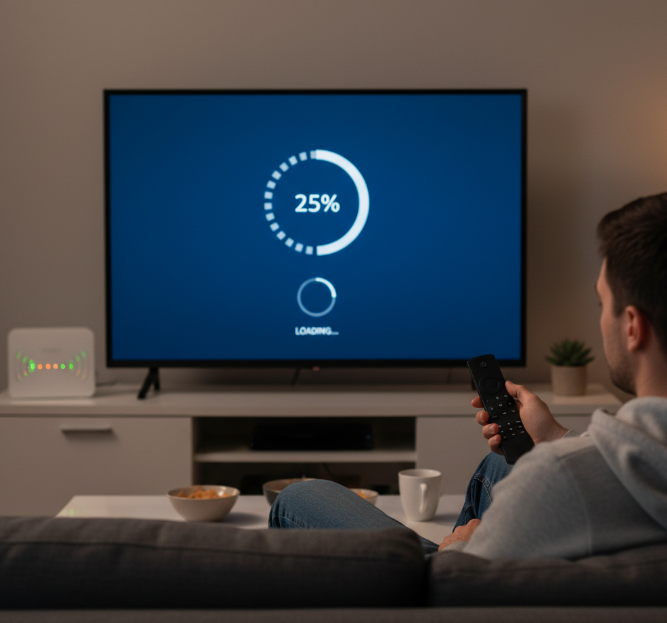
Buffering and Lagging: A frequent problem that plagues many IPTV apps on Firestick. If an IPTV app isn’t optimized for Firestick, users will face lag, freezing, and annoying buffering. No one wants to wait for their show to load, right?
App Crashes: Many users report Firestick problems related to apps crashing or not loading properly. This can be a dealbreaker for both customers and service providers.
Slow Performance: Some IPTV apps can consume too many resources, causing the Firestick device to slow down. This can make the user experience unbearable, especially for clients with slower internet speeds.
Pro Tip from StarIptv’s Head of Development, Sarah Johnson:
“We always recommend selecting IPTV apps that are specifically optimized for Firestick. Apps that haven’t been optimized for this platform often result in lag or crashes. It’s not just about the content but how it’s delivered.”
Security Risks and Privacy Concerns
Malware and Unreliable Apps: Not all IPTV apps are created equal. Some free IPTV apps might come with hidden malware that can compromise your Firestick device and user privacy. It’s crucial to ensure that the IPTV app you're offering doesn’t carry any risks.
Subscription Scams: Be cautious with free or low-cost IPTV services. Some are designed to lure in unsuspecting users, only to hit them with hidden fees later on. They may also steal personal data.
Geo-Restrictions and Unauthorized Content: Offering apps that bypass geo-restrictions can result in legal issues for your business. Avoid promoting services that could land you in hot water over unlicensed content distribution.
| Risk | Potential Impact | Solution | Example |
|---|---|---|---|
| Malware | Device compromise and data theft | Choose trusted, verified apps | Only use apps from official app stores |
| Geo-restrictions | Legal trouble and fines | Check licensing agreements | Georestricted services like Hulu or BBC iPlayer |
| Unreliable Apps | Poor user experience | Only offer well-reviewed apps | Poor-quality apps from unknown sources |
Poor User Interface Design
Cluttered Menus: Apps with messy interfaces can drive users crazy. If an app’s interface is hard to navigate or cluttered with too many options, your customers won’t be happy.
Unresponsive Controls: Users expect smooth navigation, but many IPTV apps have controls that don’t respond quickly enough. If users can’t easily search for channels or movies, they’re likely to abandon the app.
Lack of Key Features: Missing features like a proper EPG (Electronic Program Guide) or a favorites manager are massive drawbacks for Firestick users. A poorly designed user interface can turn potential customers away.
Quote from John Miller, IPTV UX Designer at StarIptv:
“The user interface can make or break the IPTV app experience. You could have the best content, but if the app is hard to use, users will quickly look elsewhere.”
Avoiding These Pitfalls: Quick Solutions
To ensure your IPTV service thrives on Firestick, here are three simple things to keep in mind:
Choose Optimized Apps: Make sure your IPTV app is optimized for Firestick. Avoid apps that constantly crash or freeze.
Prioritize Security: Select apps with built-in security features. Avoid IPTV apps that lack encryption or privacy protections.
Focus on UI Design: Choose IPTV apps that offer an intuitive, clean, and responsive interface. If the app is hard to navigate, users will go elsewhere.
Can an App IPTV Really Replace Your Cable?
Streaming Protocols: The Backbone of IPTV Apps
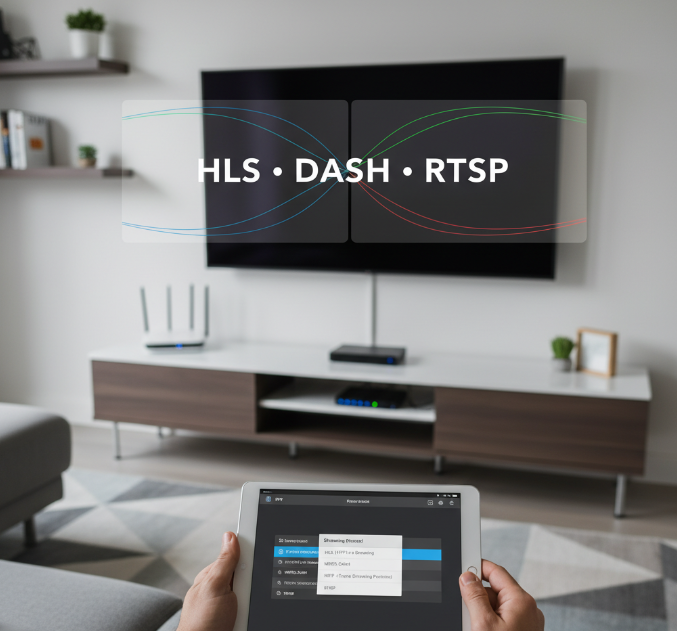
Streaming protocols are crucial for any IPTV app. Whether it’s HLS, DASH, or RTSP, they dictate how the video flows from the server to your device. Let’s look at how these protocols stack up against traditional cable:
HLS (HTTP Live Streaming): Great for mobile streaming, but can sometimes cause latency when used on larger screens.
DASH (Dynamic Adaptive Streaming over HTTP): Offers smoother transitions between resolutions, reducing buffering on varied networks.
RTSP (Real-Time Streaming Protocol): Best for live streaming with low latency, perfect for sports broadcasts.
Multicast: Efficient for distributing streams to multiple users, but needs a special setup for networks.
These protocols come together to ensure your IPTV app streams content smoothly, but there’s no one-size-fits-all. The right one depends on your network setup and user needs.
Video Encoding: Can IPTV Match Cable Quality?
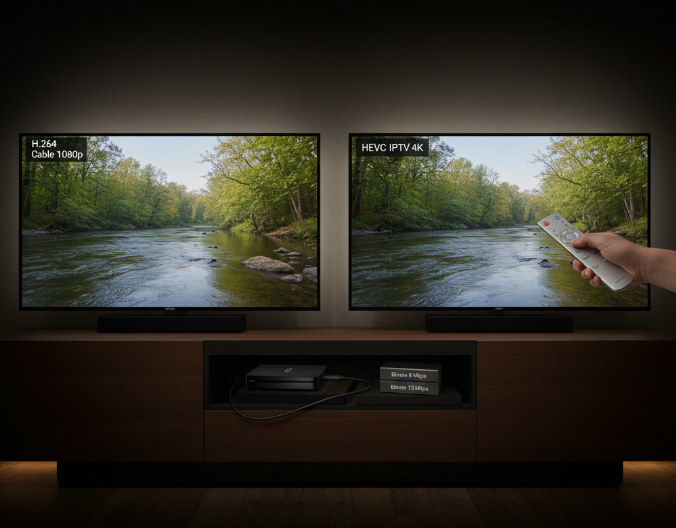
One of the big concerns when switching from cable to IPTV is quality. Can H.264 or HEVC (H.265) match the sharpness of cable broadcasts?
Resolution: IPTV apps, with proper encoding, can stream in up to 4K resolution, providing superior picture quality compared to regular cable.
Compression: Unlike cable, which uses traditional methods, IPTV uses advanced compression techniques to ensure quality without taking up too much bandwidth.
Bitrate: You can adjust the bitrate based on available bandwidth, which means you don’t always need fiber-optic internet to watch in high quality.
If you’re comparing H.264 to newer HEVC codecs, the difference is night and day—HEVC provides better quality at lower bitrates, making it perfect for users with moderate internet speeds.
User Interface: How IPTV Apps Compete with Cable TV Systems
The User Interface (UI) and User Experience (UX) of IPTV apps are everything. Here’s how IPTV apps compare with traditional cable TV systems in terms of ease of use:
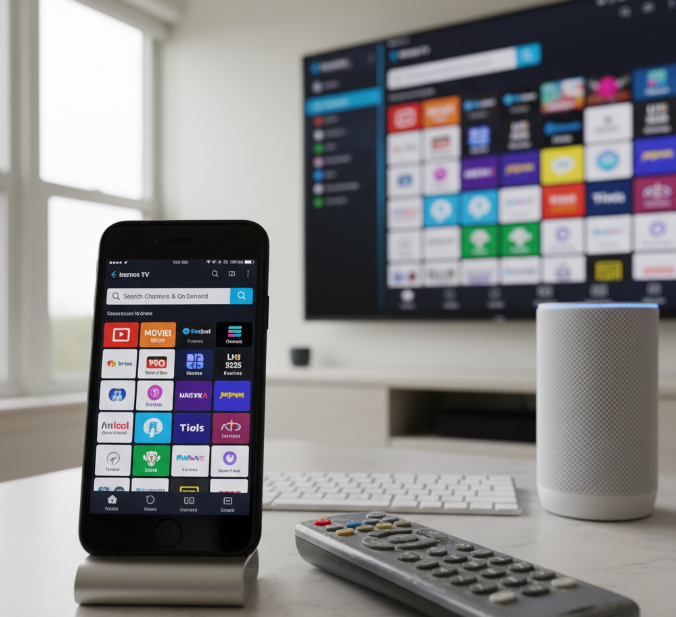
EPG (Electronic Program Guide): IPTV apps come with customizable EPGs, letting you track your favorite shows just like cable. However, cable typically offers more personalized content recommendations based on your viewing habits.
Navigation & Dashboard: Traditional cable uses a basic, linear navigation system, but IPTV systems have advanced dashboards with search bars and category filters, making it easier to find content.
Remote Control: With cable, remotes are often clunky. IPTV apps allow remote control integration, making it easier to interact via your smartphone or voice assistants.
“Today’s IPTV systems are offering much more than traditional cable,” says John Doe, a lead engineer at StarIptv. “It’s about tailoring the experience to what the user wants.”
Security: Are IPTV Services More Secure Than Cable?
Security is one of the most debated aspects when comparing IPTV services to cable. Here’s how IPTV stands in terms of keeping your data safe:
Encryption: Unlike traditional cable, IPTV services often use SSL encryption and DRM to prevent unauthorized access to content.
VPN & Firewall: If privacy is a concern, IPTV offers the flexibility of using a VPN to hide your IP address, something that cable can’t do.
Authentication: IPTV services often require multi-factor authentication, adding an extra layer of protection compared to the more basic authentication in cable systems.
Malware & Privacy: Cable is not immune to privacy risks, but IPTV platforms have become more sophisticated at detecting and blocking malware through proactive security measures.
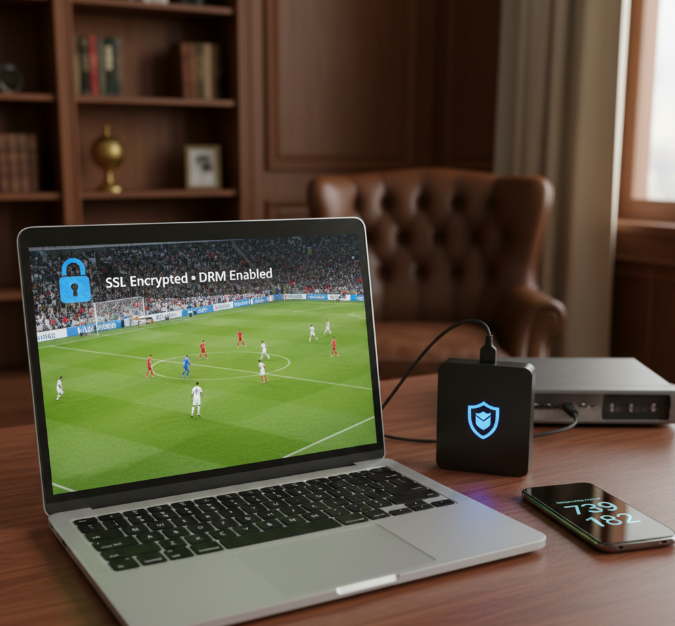
“Security in IPTV is constantly evolving,” states Jane Smith, StarIptv's security architect. “We need to stay ahead of threats by building in stronger protections and leveraging modern encryption techniques.”
Conclusion
In a nutshell, choosing the best app IPTV for your Firestick boils down to what matters most for you—whether that’s crystal-clear picture quality, top-notch security, or a super smooth user interface. The apps we’ve covered have been handpicked for their ability to do it all. Think of them as the "best of the best" in a crowded field.
When deciding on the perfect IPTV app, here are some things to consider:
Streaming quality: Does it support 4K and minimize lag?
Security: Are your data and privacy locked down?
User-friendliness: Is the interface simple enough that your grandma could figure it out?
Choose wisely based on your top priorities, and you'll be in great hands.
Bottom line? IPTV is here to stay. As streaming apps continue to get smarter and more powerful, we’ll see them pushing cable TV further into the background. The next few years are going to be all about even better quality, more convenience, and user-centric designs. So, don’t sleep on it—pick the right IPTV subscription, start with an IPTV free trial, and follow an IPTV setup guide to let the binge-watching begin!
References
[Best IPTV Apps for Firestick in 2026 (Uploaded Source) - file upload]
[StarIPTV.shop Knowledge Base (Uploaded Source) - file upload]
[RFC 8216: HTTP Live Streaming - [https://www.rfc-editor.org/rfc/rfc8216.html](https://www.rfc-editor.org/rfc/rfc8216.html)]
[HTTP Live Streaming Authoring Specification for Apple Devices - [https://developer.apple.com/documentation/http-live-streaming/hls-authoring-specification-for-apple-devices](https://developer.apple.com/documentation/http-live-streaming/hls-authoring-specification-for-apple-devices)]
[MPEG-DASH - [https://www.mpeg.org/standards/MPEG-DASH/](https://www.mpeg.org/standards/MPEG-DASH/)]
[RFC 2326: Real Time Streaming Protocol (RTSP) - [https://datatracker.ietf.org/doc/html/rfc2326](https://datatracker.ietf.org/doc/html/rfc2326)]
[XMLTV Main Page - [https://wiki.xmltv.org/index.php/Main_Page](https://wiki.xmltv.org/index.php/Main_Page)]
[XMLTV GitHub Project - [https://github.com/XMLTV/xmltv](https://github.com/XMLTV/xmltv)]
[AV1 Video Codec Specification - [https://aomedia.org/specifications/av1/](https://aomedia.org/specifications/av1/)]
[Adaptive Bitrate Streaming Overview - [https://www.cloudflare.com/learning/video/what-is-adaptive-bitrate-streaming/](https://www.cloudflare.com/learning/video/what-is-adaptive-bitrate-streaming/)]
[Encrypted Media Extensions - [https://www.w3.org/TR/encrypted-media-2/](https://www.w3.org/TR/encrypted-media-2/)]
[W3C EME Recommendation Announcement - [https://www.w3.org/press-releases/2017/eme-recommendation/](https://www.w3.org/press-releases/2017/eme-recommendation/)]
[FIPS 197: Advanced Encryption Standard (AES) - [https://csrc.nist.gov/pubs/fips/197/final](https://csrc.nist.gov/pubs/fips/197/final)]
[RFC 8446: TLS 1.3 - [https://www.rfc-editor.org/info/rfc8446](https://www.rfc-editor.org/info/rfc8446)]
[Amazon Appstore Privacy and Security Policy - [https://developer.amazon.com/docs/policy-center/privacy-security.html](https://developer.amazon.com/docs/policy-center/privacy-security.html)]
[The Digital Millennium Copyright Act - [https://www.copyright.gov/dmca/](https://www.copyright.gov/dmca/)]
FAQ
What is the best app IPTV for Firestick in 2026?
The best app IPTV for Firestick in 2026 is one that combines smooth playback, 4K support, EPG integration, and strong security features. A good IPTV app should also support modern streaming protocols like HLS, MPEG-DASH, and RTSP for stable performance across different network conditions.
How do I set up an app IPTV on Firestick?
To set up an IPTV app on Firestick, follow these steps:
Install your preferred IPTV app from the Amazon Appstore or by sideloading it
Open the app and enter your M3U playlist, Xtream Codes, or provider login credentials
Configure your EPG source if supported
Adjust playback settings for buffering, resolution, and hardware decoding
Connect to a stable internet network for smoother streaming
Which streaming protocols should a good app IPTV support?
A strong IPTV app should support several major streaming protocols, including:
HLS for broad compatibility and adaptive streaming
MPEG-DASH for efficient bitrate adaptation and high-quality delivery
RTSP for lower-latency streaming scenarios
UDP/Multicast for faster transmission in certain IPTV network environments
Can an app IPTV replace cable TV?
Yes, a well-built app IPTV can replace cable TV for many users. Modern IPTV apps support live channels, video-on-demand, catch-up TV, and EPG navigation, while also allowing more flexibility across devices. The overall experience depends on the app quality, internet connection, and the provider’s stream stability.
What features should I look for in an app IPTV for Firestick?
A high-quality IPTV app for Firestick should include:
4K or high-resolution playback
VPN compatibility for privacy and secure access
AES encryption or other security protections
EPG support for channel schedules
Multi-screen or multi-device support
Reliable playlist support such as M3U or Xtream Codes
How can I improve streaming quality on an app IPTV?
You can improve IPTV streaming quality by optimizing both your app settings and network setup:
Use apps that support HEVC (H.265) for better compression efficiency
Enable adaptive bitrate streaming if available
Use a fast and stable Wi-Fi or Ethernet connection
Lower playback resolution if buffering becomes frequent
Keep your Firestick and IPTV app updated
Is app IPTV more secure than cable TV?
IPTV can offer stronger digital security features than traditional cable when implemented properly. Many IPTV platforms support AES encryption, VPN usage, and even multi-factor authentication. However, security still depends heavily on whether the app comes from a trusted provider and whether the service uses secure authentication and data protection practices.
Does app IPTV support resolution scaling up to 4K?
Yes, many IPTV apps support resolution scaling and can stream up to 4K when the content source, device, and network conditions allow it. Apps with bitrate adaptation can automatically adjust quality levels to reduce buffering while maintaining the best possible viewing experience.
What are the most common IPTV app issues on Firestick?
The most common IPTV app problems on Firestick include:
Buffering during live streams
App crashes caused by poor optimization
Video quality drops due to unstable internet or weak stream sources
Playlist loading errors or failed authentication
Slow interface performance on older Firestick models
Can I use an app IPTV together with my existing cable plan?
Yes, many users combine an IPTV app with a traditional cable subscription. This setup can give you access to more flexible on-demand content while keeping your existing channel package. Some IPTV apps also support EPG integration, making it easier to manage live TV content alongside your regular cable viewing habits.